Commissioning
New and replacement equipment brought into service, set up against the manufacturer's requirements and handed over working.
- Installation review
- Start-up and setting
- Crew familiarisation
- Handover documentation
Field service — keeping vessels mission ready
Commissioning, diagnostics, repair, calibration, inspection and planned maintenance — carried out aboard commercial vessels, offshore units, shipyard projects and government craft, and documented so the next person knows exactly what was done.
Service scope
Most visits are one of these. Several are usually the same visit.
New and replacement equipment brought into service, set up against the manufacturer's requirements and handed over working.
Systematic fault finding on equipment that is not performing — before parts get thrown at it.
Component replacement, overhaul and repair aboard or ashore, with the system proven afterwards.
Instruments and monitors set and verified so the readings on the panel mean something.
Condition assessment of installed equipment with findings, photos and recommended corrective actions.
Scheduled service visits that keep systems ahead of failure instead of behind it.
Response to equipment failures that are holding up an operation. Availability and response times are confirmed at the time of the call.
A written service report for every visit — what was found, what was done, what is still outstanding.
How a service call runs
A service request is only useful if it turns into a technician at the right place with the right parts. That means getting the vessel, the location, the equipment and the fault straight before anyone mobilises.
Once the technician is aboard, the work is diagnosed, carried out, verified and written up. If something is left outstanding, it goes in the report rather than in a conversation someone will forget.
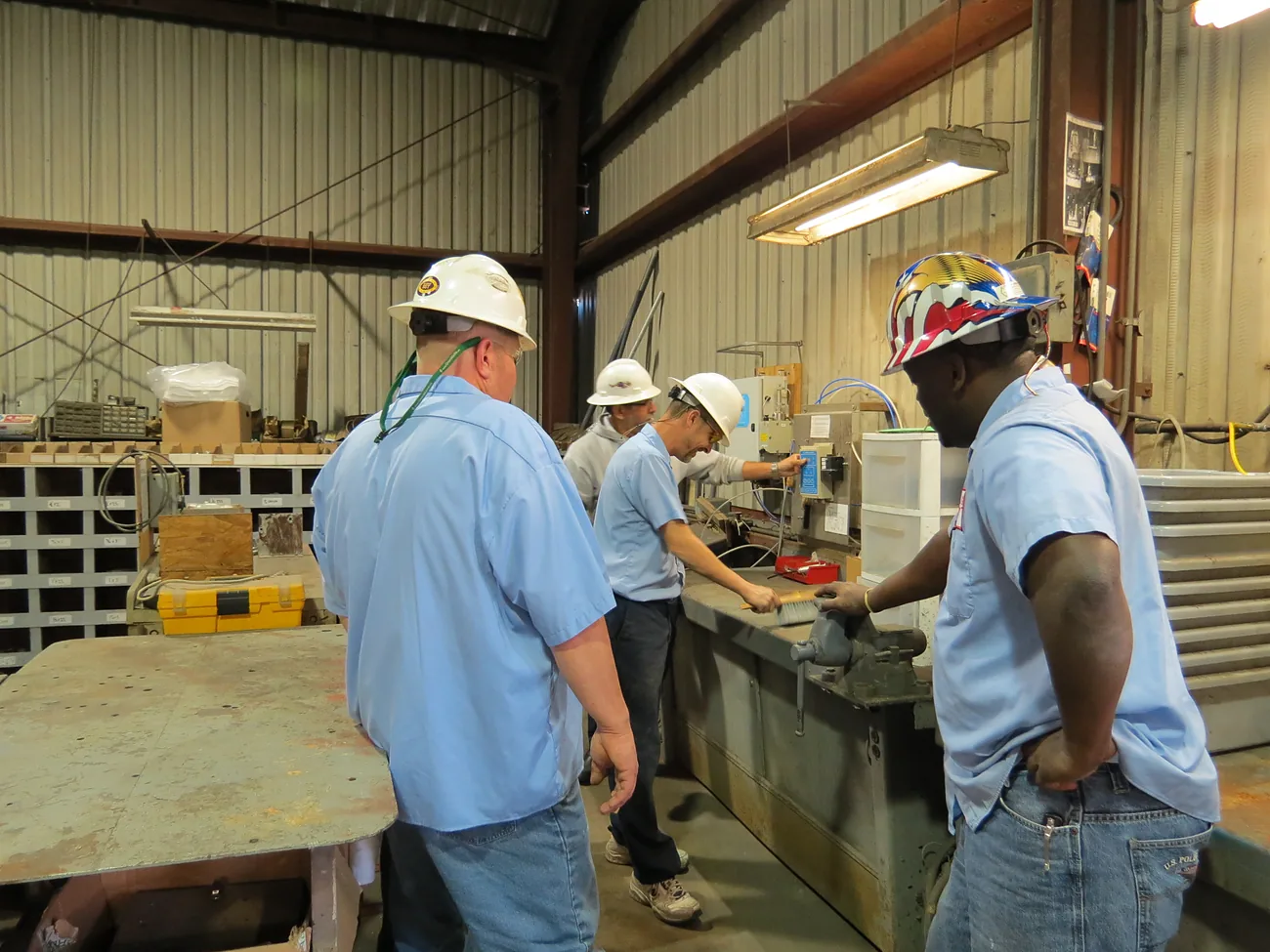
Systems serviced
Field service covers the same system families Green Marine supplies — so the technician arrives already familiar with the equipment.
Membranes, HP pumps, controls, salinity and flow instrumentation.
02Aeration, dosing, macerators, level and alarm circuits, discharge line-up.
03Coalescers, oil content monitors, calibration and valve function testing.
04Burners, refractory, flame safeguard, feed systems and controls.
05Lamps, quartz sleeves, intensity sensors, controllers and interlocks.
06Elements, water separation, differential pressure monitoring and heaters.
07Feeders, dosing pumps, residual analysers and calibration.
Getting the most from a visit
Field service goes wrong in predictable ways: the wrong part on the truck, the wrong access arrangement, or a fault description that turns out to describe something else entirely. A few details up front prevent most of it.
Ready when you are
Send the vessel, the location, the equipment and the fault. We will confirm scope and scheduling with you directly.